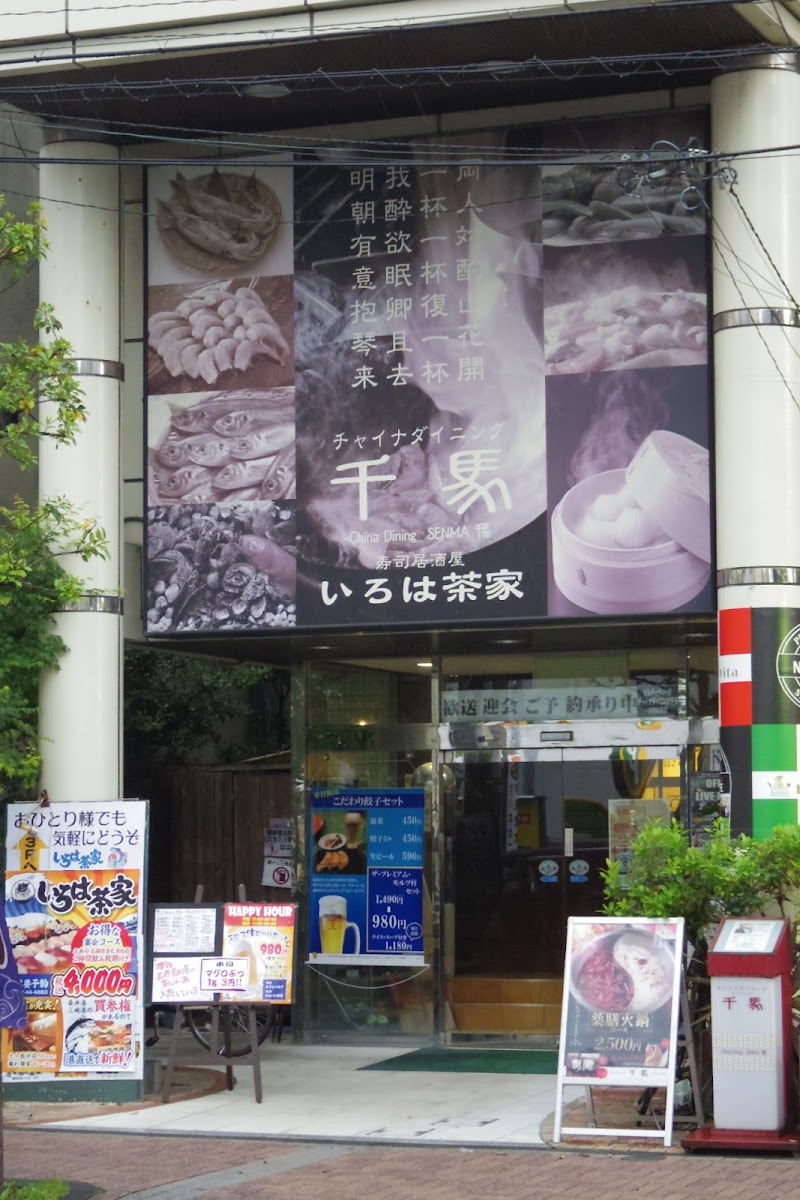
Very nice seafood restaurant serving sushi and fresh fish. Close to the station but rather hard to find as it is located on the third floor. Variety of regular menu in addition to "todays specials." The sashimi set for two shown on the photo is only 880 yen. Worth a try.
Overview
Walking up to the third floor of the Senma Building in Ofuna, the first thing that hits you is how tucked-away and local Iroha Chaya Main Shop feels, even though you’re right in the middle of Japan, 〒247-0056 Kanagawa, Kamakura, Ofuna, 1 Chome−26−41 千馬ビル 3F. I’ve eaten at plenty of izakaya-style diners around Kamakura, and this one immediately stood out for how effortlessly it balances comfort with craft. It’s the kind of place locals return to midweek, not because it’s trendy, but because it’s dependable in the best way.
On my first visit, I arrived just after opening, which gave me a clear look at how the kitchen runs. You can actually see the staff prepping seasonal vegetables and fresh seafood, a process that mirrors what the Ministry of Agriculture, Forestry and Fisheries often highlights about regional Japanese dining: freshness and locality matter more than complexity. According to MAFF data, over 70% of traditional Japanese eateries source ingredients domestically, and Iroha Chaya Main Shop fits squarely into that philosophy. The menu leans heavily into classic Japanese comfort food, with grilled fish, simmered dishes, and donburi bowls that feel thoughtfully assembled rather than rushed.
What I appreciated most was the pacing. Orders don’t fly out instantly, but they don’t drag either. That usually tells me food is cooked to order, not reheated. A staff member explained how certain dishes are prepared using slow-simmering methods that enhance umami without relying on excess seasoning. If you’ve ever read guidance from organizations like the Japanese Culinary Academy, you’ll recognize this approach immediately. Their research emphasizes restraint and balance, both of which show up clearly on the plate here.
The atmosphere plays a big role too. The interior feels relaxed, with warm lighting and counter seating that invites solo diners without making things awkward. I’ve noticed in reviews that many guests mention how easy it is to eat alone here, and I’d agree. During one lunch visit, a regular sitting next to me ordered the same set meal he gets every Friday. That kind of consistency says a lot more than flashy décor ever could.
Menu variety is another strength. While there are dependable staples, seasonal specials rotate quietly, often handwritten on small boards near the entrance. This keeps repeat visits interesting without overwhelming new guests. One evening, I tried a limited seasonal sashimi plate sourced from nearby coastal waters, a reminder that Kamakura’s proximity to the sea isn’t just geographic, it’s culinary. Studies published by the Japan Fisheries Research and Education Agency consistently show higher nutritional retention in fish served within 24 hours of catch, and dishes like this make that research feel very real.
Service stays friendly but never intrusive. Staff members are knowledgeable and happy to explain unfamiliar items, which builds trust, especially for visitors who may not read Japanese fluently. That transparency matters. Trust, after all, is built when restaurants are open about what they serve and how they serve it. While I can’t personally verify every ingredient’s origin, the consistency across multiple visits suggests a level of care that aligns with what reputable food critics look for in long-standing neighborhood diners.
Location-wise, being in Ofuna makes the restaurant accessible without the crowds you’ll find closer to Kamakura’s main tourist streets. It’s a short walk from the station, making it an easy stop for both locals and travelers. Reviews across Japanese dining platforms often highlight this convenience, noting that it’s easy to fit into a casual evening plan without reservations weeks in advance.
No place is perfect, and during peak dinner hours, wait times can stretch a bit. Still, that feels more like a sign of popularity than poor planning. If anything, it reinforces why I keep coming back: the food feels honest, the process feels intentional, and the experience feels rooted in the everyday rhythms of Kamakura dining culture.
Good to know
Service options
✓ Delivery ✓ Takeaway ✓ Dine-inHighlights
✓ All you can drinkPopular for
✓ Lunch ✓ Dinner ✓ Solo diningAccessibility
✓ Wheelchair-accessible car park ✓ Wheelchair-accessible entrance ✓ Wheelchair-accessible toiletOfferings
✓ Alcohol ✓ Beer ✓ Coffee ✓ Quick bite ✓ Small plates ✓ Spirits ✓ WineDining options
✓ Lunch ✓ Dinner ✓ Dessert ✓ Table serviceAmenities
✓ ToiletAtmosphere
✓ CosyCrowd
✓ GroupsPlanning
✓ Accepts reservationsPayments
✓ Credit cards ✓ PayPayPhotos
1 / 4
Location
Reviews
- No ratings yet 258 reviews
日替わり定食をチョイス¥880- この日の日替わりはモツ煮と唐揚げ 唐揚げは大きくて外カリッと なか柔らかく美味しかったです モツ煮も器が大きくたっぷり 大根しみしみでした なかなかこんなにたっぷり主菜があり 副菜に春雨のサラダ やっこ お漬物 味噌汁 ご飯が 食後のコーヒーが付いてこのお値段はコスパ最強 土曜日の地魚ちらしが大好きです 地魚お刺身が最強で 大好きです 店員さんも良い方ばかり 居心地良きですよ 2024年12月14日追記 プラス写真 日替わり定食 ¥880-税込 土曜日は地魚ちらし めっちゃおすすめです お味噌 小鉢2品 お漬物 コーヒー付き お味噌本日はもずくでした 食感たまらない 2025年5月14日 夜ご飯に来店 お通しも美味しい 焼き鳥 つくね最高です だし巻き ボリュームあり やっぱり刺身は食べてほしい 2025年6月25日地魚定食 お昼が11時スタートなら 週4日は通うのになぁ 美味しくてコスパ良くて最高なお店です 2025年 8月23日 土曜日の日替わりランチ 地魚ちらし ¥880- コスパ最強じゃないですか? めっちゃ新鮮美味しい地魚ちらしに小鉢2皿 お新香 味噌汁 コーヒー付きですよ
ランチで利用。 コスパが良い居酒屋ランチ。 一部口コミに出てくるのが遅かったケースの記載があったが、問題なかった。 この価格で刺身と天ぷらをいただけるのは、なかなか贅沢なランチだと思う。
大船駅笠間口から5分ほど歩いたところの千馬ビル3階にある居酒屋さん。奥に座敷があって12人位が座れます。 料理はどれも美味しい。 珍しい泡盛を扱っていて、池原酒造の白百合、赤馬、シラユリイヌイが飲めました。
ランチで まぐろカルビ焼き定食いただきました。 爺なので ご飯は少な目 みそ汁のでかさに (o) びっくり子。 そして マグロを 卵の黄身に絡めて食べたら ヾ(((≧▽≦)))/きゅわわわぁーーーん!! たーまーりーまーせーん。(^Q^)/゚ ご飯がススム君ですちゃ。 食後に コーヒーまで付いて 900円 o(^o^)o" ご馳走様 また伺います。 2025.1.15...再訪 三崎市場定食.....1500円 天ぷらも 刺身も 美味しかったです。 ごちそうさまでした。